
Introduction
Training is often one of the first budgets questioned when cost pressures rise. However, for engineering teams, a lack of proper training frequently leads to far greater long-term costs through inefficiency, errors, and underutilised tools.
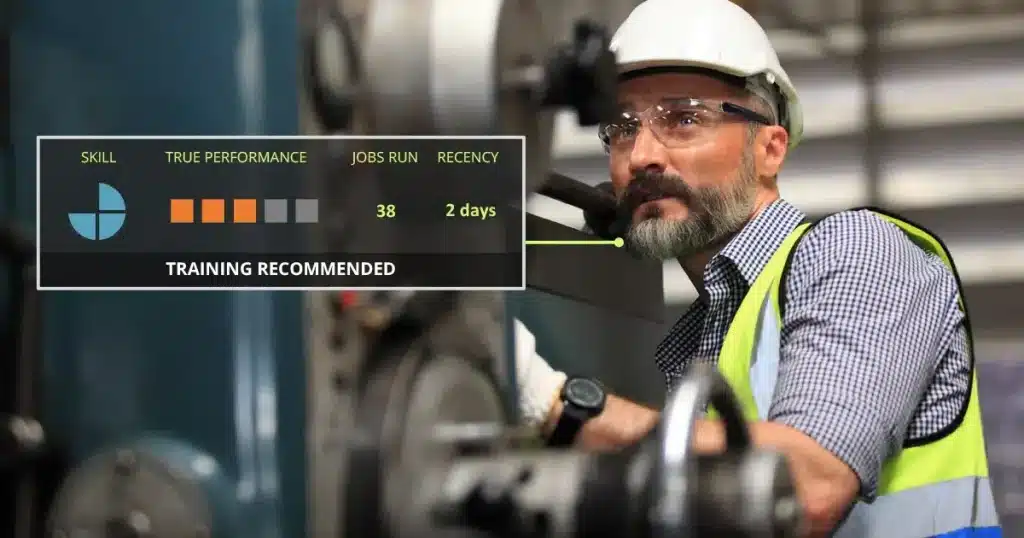
The Hidden Cost of Self-Taught Workflows
Many engineers learn software through trial and error or informal peer sharing. While this may work initially, poor habits compound over time. Simple tasks take longer than necessary, and advanced tools remain unused.
Productivity Gains Through Structured Learning
Formal training equips engineers with:
- Efficient modelling techniques
- Better understanding of design intent
- Awareness of best practices
- Confidence in tackling complex designs
This translates directly into faster turnaround times and more consistent output.
Training Reduces Operational Risk
Well-trained engineers make fewer mistakes. They understand revision control, design intent, and data integrity. This reduces errors reaching manufacturing or customers.
Aligning Skills With Business Goals
Training is most effective when aligned with organisational needs. Rather than generic instruction, focused courses ensure teams gain skills that support current and future workflows.

Long-Term Return on Investment
The productivity gains from properly trained engineers often outweigh training costs within months. Improved quality, fewer reworks, and better collaboration compound these benefits further.
Closing Thought
Training is not about learning software—it is about enabling people to deliver value consistently.
A targeted skills assessment can help identify where structured training delivers the greatest return.